Future of Project Management in 2026: AI, Remote Teams & PMP® Skills
Introduction
Project management is evolving fast. Artificial intelligence, globally distributed teams, and systems thinking are fundamentally reshaping how projects are planned, executed, and measured.
According to recent industry studies (2025–2026):
-
Over 75% of PMOs are now using or actively piloting AI-powered tools for forecasting, reporting, risk analysis, and decision intelligence.
-
Nearly 60% of the global knowledge workforce now operates in hybrid or fully remote models.
-
Organizations that align projects to measurable business outcomes are 2–3× more likely to achieve strategic objectives.
The future of project management isn’t about doing more with less. It’s about doing different work: strategic work, leadership work, value-creation work, and AI-augmented decision-making.
This blog explores three mega-trends transforming project management in 2026 and beyond, what they mean for your career, and how PMP®-certified professionals can stay ahead in an AI-driven, hybrid, value-focused environment.
Trend 1: AI‑Assisted Project Management
How AI Is Changing Project Management
AI isn’t coming to project management—it’s already embedded in it.
Today’s AI-enabled PM tools support:
-
Predictive analytics
-
Automated and adaptive scheduling
-
Intelligent risk detection
-
Real-time dashboards and insights
-
Automated reporting and documentation
The key truth: AI does not replace project managers. It amplifies them.
For a deeper dive into real-world AI use cases, read our blog: How AI and Automation Are Transforming Project Management.
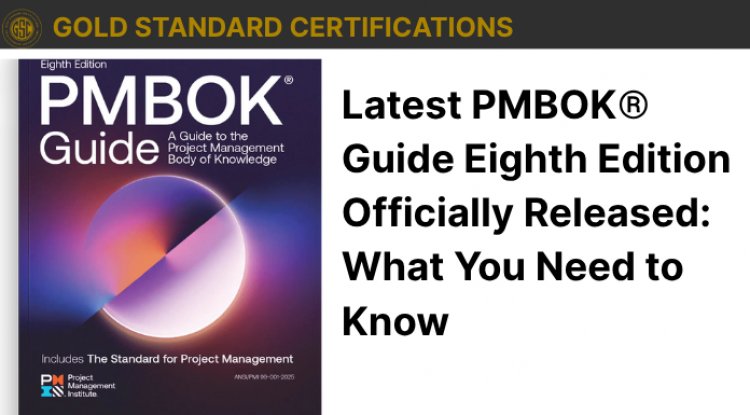
For deeper context on evolving PM standards, see our detailed breakdown of the PMBOK® Guide Eighth Edition and its impact on modern project delivery.
Key AI Applications in PM
1. Predictive Analytics
AI analyzes historical and real-time project data to forecast schedule delays, cost overruns, and risk hotspots.
Example: AI flags a 40% probability of delay based on comparable projects—allowing you to add buffers and mitigate risks proactively.
2. Automated Scheduling
AI engines generate and evaluate thousands of schedule scenarios in seconds, optimizing for time, cost, and risk.
Example: What once took days in MS Project now takes minutes—with the PM validating and approving the final plan.
3. Resource Optimization
AI matches skills, availability, and performance history to tasks, preventing burnout and identifying upskilling needs.
4. Intelligent Risk Identification
AI scans emails, meeting notes, and documents to detect early warning signals—before humans notice them.
5. Intelligent Reporting
Automated dashboards and narrative reports reduce administrative effort and increase stakeholder transparency.
The PM’s Role in an AI‑Augmented World
What AI Does Best
-
Analyze massive data sets
-
Detect hidden patterns
-
Generate scenarios and recommendations
-
Automate repetitive tasks
What Project Managers Do Best
-
Apply judgment and critical thinking
-
Lead people and manage change
-
Navigate ambiguity and organizational politics
-
Build trust, culture, and psychological safety
-
Align delivery to business strategy
The Future PMP® Professional:
-
Uses AI confidently—but never blindly
-
Focuses on strategy, not data entry
-
Acts as a trusted advisor to leadership
To build this capability, strong fundamentals matter. That’s why structured training like PMP® Certification remains essential.
Explore our PMP® Certification Training:
https://goldstandardcertifications.com/courses/pmp-certification-training
Skills Needed for AI‑Assisted PM
-
Data literacy and analytical thinking
-
Critical evaluation of AI outputs
-
Emotional intelligence and people leadership
-
Continuous learning and adaptability
-
Strategic and value-focused thinking
Bottom Line: AI is inevitable. Competitive advantage comes from knowing how to use it intelligently.
Trend 2: Remote & Distributed Teams
The New Normal: Work from Anywhere
By 2026:
-
Hybrid work is the default operating model
-
Global, cross‑time‑zone teams are common
-
Asynchronous collaboration is essential—not optional
Remote work is no longer a perk. It’s a structural shift.
Related reading: Managing Distributed and Hybrid Project Teams Effectively.
Core Challenges in Remote Project Management
1. Communication Gaps
Remote teams lack informal interactions, making clarity and documentation critical.
Solutions:
-
Structured ceremonies (standups, retrospectives)
-
Asynchronous updates (recorded videos, written summaries)
-
Clear decision logs and documentation
2. Engagement & Motivation
Isolation and burnout are real risks in always‑on environments.
Solutions:
-
Regular 1‑on‑1 check‑ins
-
Recognition and celebration of wins
-
Flexible, trust‑based work practices
3. Accountability Without Micromanagement
Visibility shifts from activity to outcomes.
Solutions:
-
Clear deliverables and success criteria
-
Transparent dashboards
-
Outcome‑based leadership
Skills Required for Remote PM Success
-
Strong written and asynchronous communication
-
Virtual team‑building skills
-
Time‑zone and cultural awareness
-
Trust‑based leadership
-
Proficiency with collaboration tools
Bottom Line: Remote leadership is now a core PMP® competency, not a niche skill.
Trend 3: Systems Thinking in Project Management
What Is Systems Thinking?
Systems thinking means understanding how a project interacts with:
-
Organizational strategy
-
Market forces
-
Customers and end users
-
Technology ecosystems
-
Regulatory and operational constraints
Traditional PM asks: Did we deliver the project?
Systems thinking asks: Did we deliver value?
Why Systems Thinking Matters
Traditional Success: On time. On budget. On scope.
Modern Success:
-
Measurable business outcomes
-
Stakeholder adoption
-
Sustainable value creation
-
Strategic alignment
For insight aligned with the evolving PMP Exam Content Outline and modern leadership expectations, read Project Managers as Strategic Business Partners.
Applying Systems Thinking in Practice
Key Questions PMs Must Ask:
-
How does this project support organizational strategy?
-
Who are all the direct and indirect stakeholders?
-
What are the interdependencies and ripple effects?
-
What assumptions are we making?
-
What unintended consequences could emerge?
-
How will we measure value realization?
Outcome: PMs move from delivery managers to value architects.
Skills Profile of the Future Project Manager
The future-ready PM combines:
-
Core PM execution skills
-
AI literacy
-
Remote leadership capability
-
Systems thinking mindset
-
Emotional intelligence
-
Strategic business acumen
-
Continuous adaptability
This is exactly where PMP® certification adds long-term career value.
Learn more about PMP® Certification Training:
https://goldstandardcertifications.com/courses/pmp-certification-training
Why PMP® Certification Matters
PMP® certification builds:
-
Strong foundations across predictive, agile, and hybrid approaches
-
Leadership and stakeholder management capability
-
Risk, governance, and value delivery focus
-
Flexibility to choose the right approach for the context
Modern PMs don’t choose between traditional and agile—they master both. If you’re evaluating which approach fits your project context, explore How to Choose the Right Project Management Methodology.
Conclusion: Preparing for the Future of Project Management
Project management is changing faster than ever.
By 2026, AI will be embedded in everyday PM workflows, remote and hybrid teams will be the dominant operating model, and systems thinking will clearly separate task-focused PMs from enterprise-level leaders.
The question is no longer whether these trends will affect your career.
The question is: Are you prepared to lead in this new environment?
Next Step
If you’re serious about future‑proofing your PM career, now is the time to strengthen your foundations and elevate your strategic capability.
Explore our PMP® Certification Training Program and build the skills required for AI‑enabled, remote, value‑driven project leadership:
https://goldstandardcertifications.com/courses/pmp-certification-training